
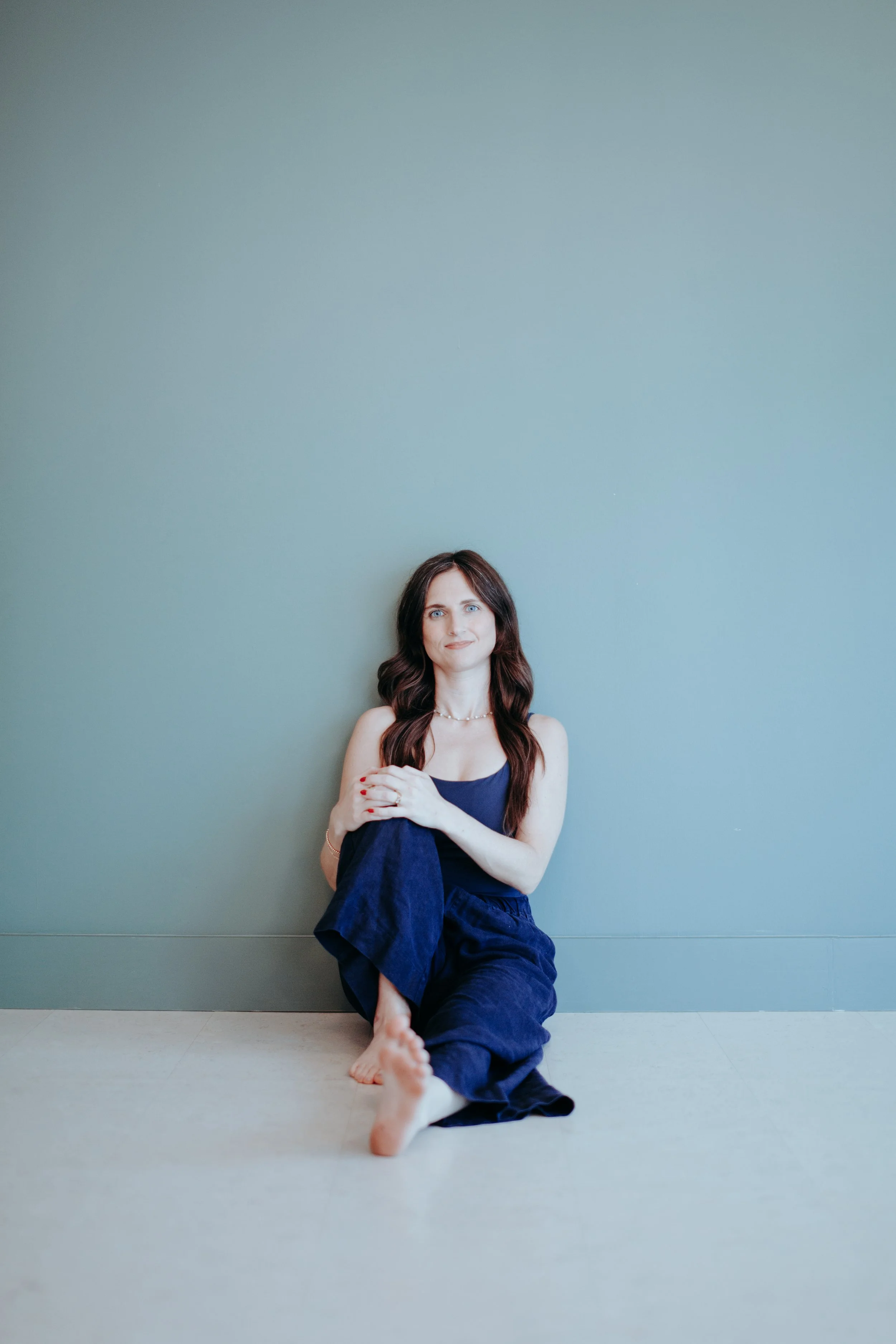
In this month’s blog, Liz reflects on her evolving relationship with yoga, from the structure of Ashtanga to a softer, more intuitive practice. Through her personal journey, she explores self-study, self-compassion, and the importance of honoring where we are, both on and off the mat.
“Do your practice and all is coming.” - Sri Patthabi Jois
I started practicing yoga in earnest in 2010 in the form of Mysore-style Ashtanga classes; 5 or 6 days a week, I would silently enter the shala at 6am and guide myself through my set sequence - almost 2 hours of asana, performed at my own pace under the supervision of the studio owner. What followed was 3 years of an intense, disciplined practice, which would ebb and flow as my adult life came into focus. Each day’s practice was a unique experience, but one that ultimately left me always striving for perfection, the enemy of progress (and spiritual wellbeing).
When I arrived in Nashville in 2015, I was distraught to learn there were no studios offering this class style, forcing me to practice at home instead. But it never felt quite right, and I decided I was just more interested in Ashtanga classes, particularly in a studio environment. Other yoga just wouldn’t do.
Cut to 2023, when I found myself back in that small, lost place that only grief can bring us to. I was willing to do whatever it took to bring ease and balance back into my mind and body. It became clear that yoga had a profound role to play in my life, and I bravely enrolled in Hola’s 200-hour yoga teacher training (YTT) program, hoping to learn more about yoga and myself.
Each week of YTT required that we complete a home practice component. In theory, it was simple: we just had to incorporate a particular posture into our time on the mat each week. But to my dismay, I was being asked to do the very thing that drove me from my mat in the first place. In tandem, we were asked to submit a journal entry each week describing the experience, and unsurprisingly, mine were often frustrated ramblings.
I never really got comfortable with those YTT homework assignments. Since graduating from Hola's program, I have committed to svadhyaya (self-study) and examining my relationship to practice more deeply. What I’ve discovered is how practice requires us to be in relationship with ourselves, and how uncomfortable that can be. Whether it’s a yoga practice, a musical instrument, sport, or even a new thought pattern; you can’t really practice something thoughtlessly. It requires self-awareness and focus as we correct our mistakes and guide ourselves towards a goal.
To take this a step further, I began to wonder: what does it even mean to be in relationship with ourselves? I have plenty of external relationships: my partner, friends, family, colleagues, etc. But what of my internal relationship to myself? I’m just now realizing I get to define this; it can be as positive or negative as I let it be.
This awareness of my own power has become my guiding light as I step beyond the role of a student of yoga into the role of a teacher. Weekly now, I hear my own voice saying positive, affirming things to my students in class, which makes it easier to cultivate this same voice in my head as I flow through my home practice, affirming myself rather than judging or critiquing. I wouldn’t dare bark “start the whole sequence over!” to a student if they lost their way in class; why, then, would I say this to myself?
Through this thread of self-reflection, I’ve realized how much I’ve been expecting of myself without giving much in return. By practicing yoga, I’m learning how to extend the same patience and support I would to others, and meet myself with a little more kindness.