
Yoga, Grief & the Ways We Remember
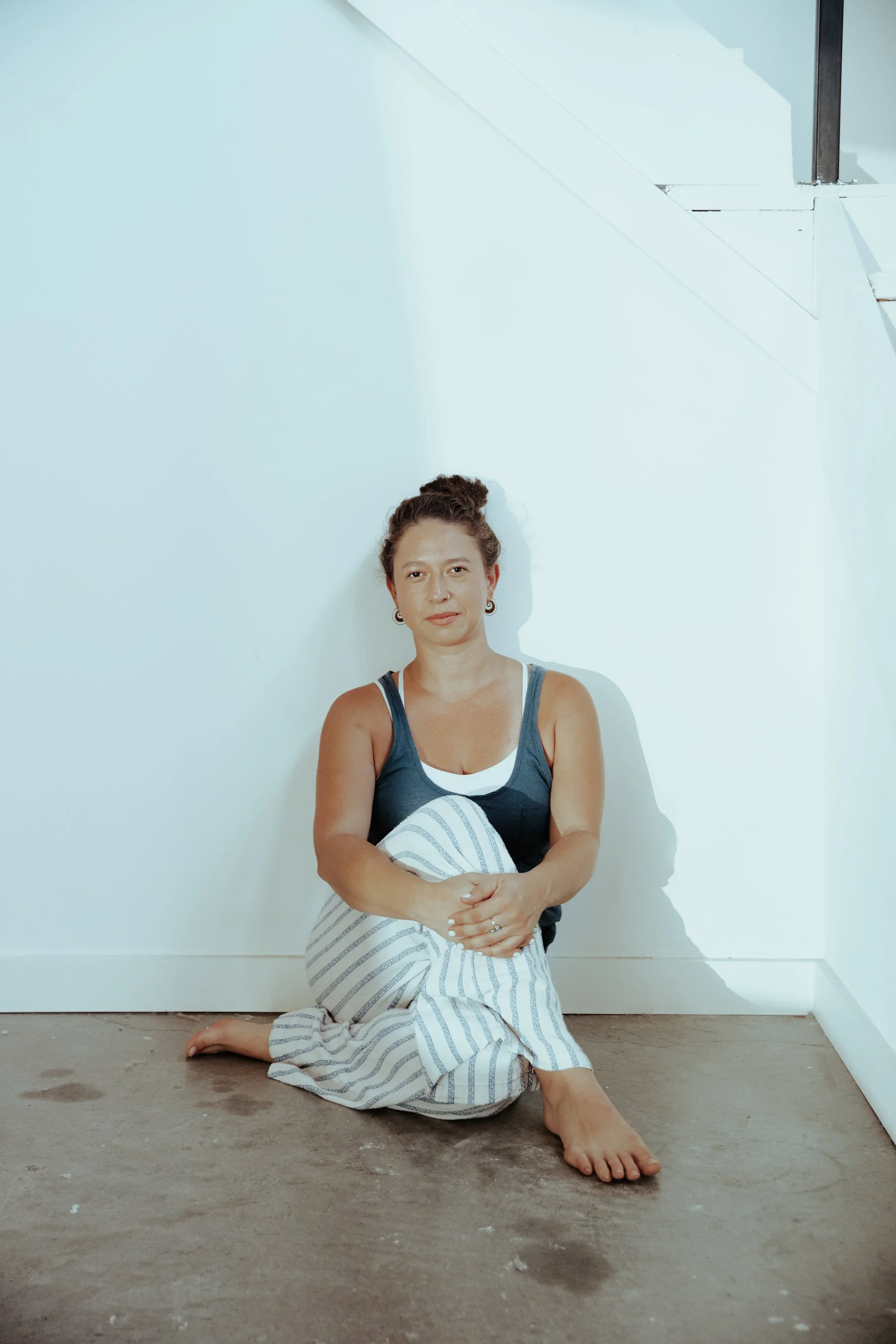
In this month’s blog, yoga therapist Olivia Jimenez reflects on the relationship between yoga, grief, memory, and love. Drawing from the Yoga Sutras, her own experience with grief, and the practices that have shaped her teaching, Olivia explores the many ways we can make space for loss, connection, and healing.
I started my first yoga teacher training in 2011, in the midst of grief deeper than I could fathom.
In the past year I had: graduated from university, ended some deeply toxic relationships, suffered from a mystery illness, left the country, then been a victim of wage theft and lies about details relevant to my visa, before finally doing the unthinkable and (gasp!) moving back in with my parents. It was all very dramatic, but luckily - or perhaps unsurprisingly - I'd majored in drama; All of that felt like just another Tuesday.
At the time, I didn't recognize the full extent the grief I was processing. I only knew I was grieving because I had been called home to help care for my grandmother, who was planning to die "any day now" (She lived another four years, so maybe I inherited my flair for the dramatic). When I wasn't with my badass grandma [miss you, Mama Marjorie!], I was at the yoga studio or leading theater workshops at the county jail.
Since then, my relationships to yoga, grief, and everything else have evolved; And I still use the somatic, creative, and relational tools I learned in drama school daily.
As a student storytelling and aesthetics, I understand grief to be the shadow of love and compassion. Change and loss are inevitable. No matter what or who we love, eventually they will be lost or transformed, their old versions left to be grieved or forgotten.
Now, when I look at grief through the lens of yoga, I begin with the Yoga Sutra, verses 1.5-6:
vṛttayaḥ pañcatayyaḥ kliṣṭākliṣṭāḥ / pramāṇa viparyaya vikalpa nidrā smṛtayaḥ
The Yoga Sutra observes that the mind has 5 modes; all of which can be painful or not:
pramāṇa = accurate perception & understanding
viparyaya = flawed perception, projection & misunderstanding
vikalpa = imagination & communication/language
nidrā = off, dreamless sleep
smṛtayaḥ = memory, the record of our experience
Many of us find that our yoga practice helps us gain clarity. We project less and discern better. We find that shift eases our troubles, reduces our suffering; and that's why we keep coming back to the practice. Love that for us... most of the time...
But when we contemplate the deep losses that lead to grief, they defy understanding. Trying to wrap your mind around it can be extremely painful and it's hard to live your life when you're in pain. So, the mind shifts modes, seeking relief. It might shift into viparyaya - we might go into patterns of denial or bargaining, which feel less painful than the truth of the situation, but don't move us any closer to healing the wound.
Luckily there are three other directions we can move in, and these modes of mind can help lead us towards healing, connection, and a sustainable long-term relationship with grief. [It is important to note: these modes of mind are often running simultaneously, combining and intertwining in intricate ways. If it were easy to untangle the workings of the mind, we wouldn't need to practice so much yoga!].
Vikalpa - imagination and language - allows us to express our emotions, tell stories, imagine what a loved one or past version of ourselves might say or do
Nidrā - sleep mode - allows us to take a break from painful experience, offers an opportunity for rest and integration, clears the mind (search: synaptic pruning)
Smṛtayaḥ - memory and encoded experience - allows us to remember through ritual, sense memory, photographs, etc.
Yoga Nidra practice allows us to engage all three of these modes. As the name implies, this guided meditation practice invites us into deep rest, or nidrā. The use of imagery and evocative language engages vikalpa while evoking memory and felt senses, inviting smrtayah. Our Dia de los Muertos wokrshop for grief & connection will combine yoga nidra with intentional movement, breath, altar-building, and storytelling. Our intention is to create a space for us to share the weight of grief, celebrate life, and connect with our community.