
In the Pursuit of Happiness: The Four Aims to Balancing a Life Well-Lived
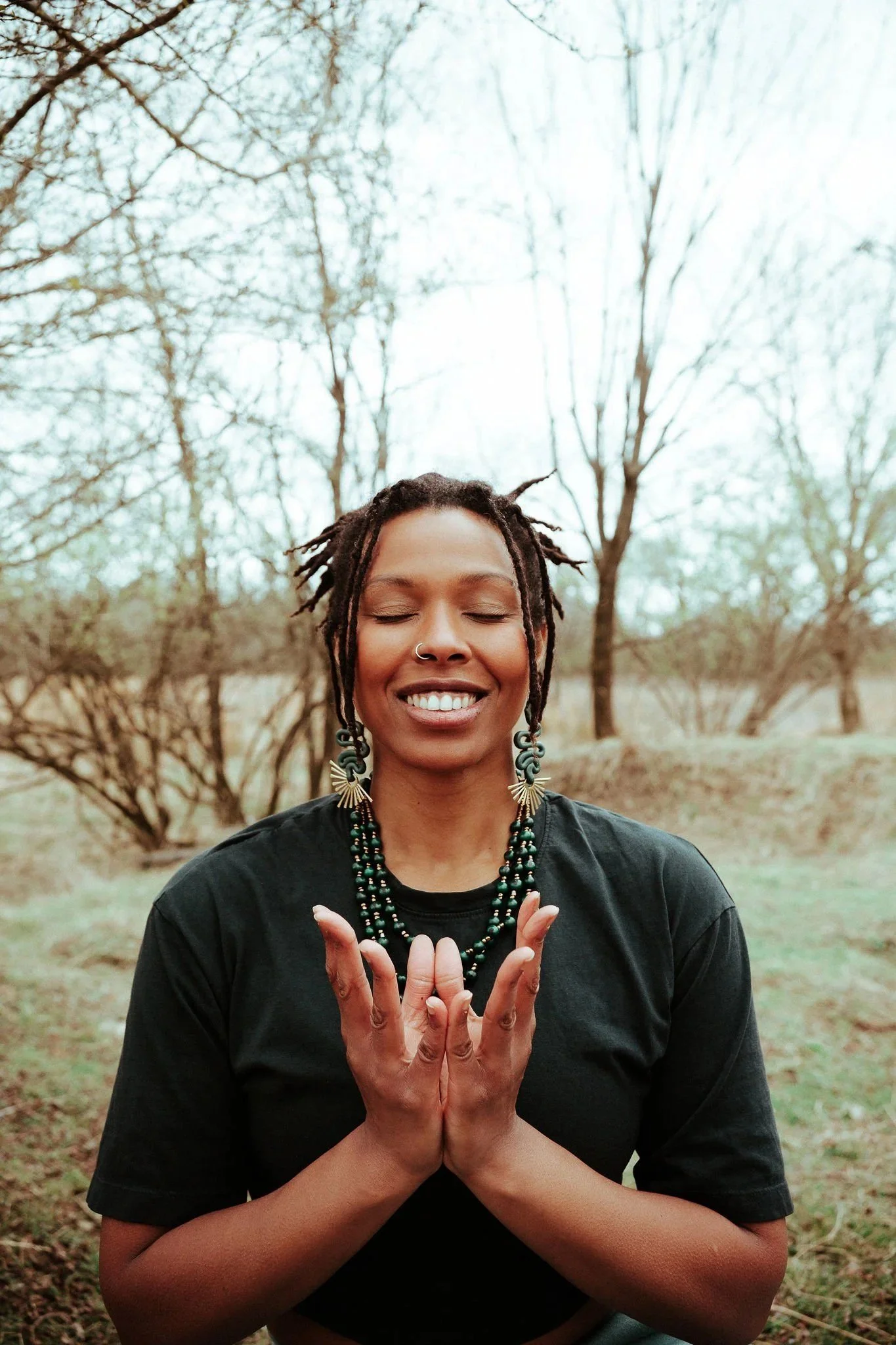
In this month's blog, yoga therapist and Ayurvedic wellness counselor Jo-Jo explores the ancient concept of eudaimonia. Discover how these timeless teachings can help you create more balance, purpose, and joy—both on and off the mat.
Have you ever heard of the word Eudaimonia (yoo-di-MOH-nee-uh)? Originating within ancient Greece by Aristotle, eudaimonia points toward the lasting joy and fulfillment achieved through a life that is "well-lived." Unlike the more popular concept of hedonia–the temporary short-lived pleasures of the moment–eudiaimonic wellbeing is rooted in ethical, virtuous living and a connection to something greater. It's of no surprise yogic and Ayurvedic lifestyle practices can provide a comprehensive framework to support eudaimonic living.
While Patañjali's 8-limbs of yoga codifies Yama-Niyama as the ethical-moral-spiritual framework for living yoga off the mat, there is a lesser-known but highly valuable life balance system rooted in the same Vedic wisdom as Patañjali's 8-fold yoga that dynamically organizes and accessibly orients overall everyday life toward elevated awareness. The Purusharthas, or "four aims of life" is directly concerned with us "house-holders" in that it recognizes not only the pursuit of spiritual elevation but balances and leverages one's involvement in worldly life to support spiritual growth. In short, the purusharthas offer a practical model to support the eudaimonic wellbeing of a life well-lived.
For most of us, becoming a sannyasi–a spiritual renunciate who lives an ascetic life–may not be a part of our path, but that does not mean we can't align our lives toward spiritual and ethical goodness. The purusharthas allow for just that, by observing and developing thoughtful balance in the realms of relationships & life pleasures, professional life & monetary pursuits, meaningful action & connection to a higher purpose, and spiritual growth & freedom. The traditional order they are observed, measured and balanced are:
1. Dharma: eudaimonic wellbeing and living in accordance to your highest virtues and spiritual purpose. The next two aims should support and be in alignment with one's dharma.
2. Artha: work life and having a profession/ vocation that monetarily provides for your livelihood and ethically provides for living in your dharma.
3. Kama: life pleasures from family life, social life, romantic life and personal interests that enhance the enjoyment of living in your dharma.
4. Moksha: spiritual liberation/ freedom and the self-actualizing that comes from living in your dharma, connection to a higher power, and not being bound to egoistic attachments. (Read my blog post "...." to explore more on moksha).
Speaking from my personal experience, observing the aims of the purusharthas has guided me toward integrating greater meaning of Patañjali's yoga ethics as a balance for my personal and work life in a way that empowers a level of personal & social responsibility to everyday life. The purusharthas intentionally expands one's attention out to four distinct yet interconnected realms of living, and encourages mindful self-awareness to hold more accountably toward how your actions, choices, relationships, associations, etc., impact your ability to strive for a higher life purpose. Like much of yoga and ayurveda, the purusharthas is not a one-size-fits-all approach to eudaimonia; the 4 aims are a living ecosystem that supports a systems-level approach to individualized lifestyle curation.
A practical way you can develop a baseline for understanding how satisfied you are in your various realms of life–and the life realms you'd like to start making some small adjustments or major changes–is considering how much stress these domains create, particularly your social life, family life, work life, health/ wellness/ fitness and overall life. As a yoga therapist and Ayurvedic wellness counselor, I also use these four aims as a therapeutic tool to guide any lifestyle changes I recommend for clients. We all have the capacity to cultivate and experience the lasting joy of a purposeful life well-lived.